What Changed in October
The vote was 10 to 2. Lisa D. Cook and Beth M. Hammack preferred to raise the rate by a quarter point. In September, all 12 members voted to raise it.
The statement’s wording shifted in two places. Economic growth moved from “solid” to “strong.” The September line saying the hike would support a timelier return to 2 percent was replaced. The new line says more information will help the Committee determine the right policy stance.
One line stayed the same: the Committee “will deliver price stability.”
How We Got Here
On September 16, the Fed raised its range by a quarter point to 3.75 to 4 percent. Minutes released October 7 showed most officials expected another increase would likely be appropriate by year end. Many described a higher rate path as insurance against inflation staying high.
The October hold does not contradict those minutes. The minutes pointed to year end, and the December meeting is still ahead.
What Does the Latest Inflation Data Show?
PCE inflation is the Fed’s preferred gauge. On September 30, the Bureau of Economic Analysis reported August inflation at 3.4 percent and core inflation at 3.0 percent. That release included BEA’s annual update of its national accounts.
September figures, released October 29, came in at 3.6 percent, with core at 3.1 percent. Prices rose 0.5 percent in September alone. The Fed’s target is 2 percent.
The September minutes showed staff estimates of 3.8 percent for August, and 3.6 percent under a BEA method change scheduled for the end of September. The published 3.4 percent came in below both. September’s figure then moved back up.
The Case for Patience
The October statement says more information will help the Committee decide its next step. In September, officials judged longer-term inflation expectations consistent with 2 percent. Core inflation was 3.0 percent in August and 3.1 percent in September.
The Case for Another Increase
Two voting members already wanted to raise the rate in October. In September, officials generally saw inflation risks tilted upward, and several described policy as not restrictive or only mildly restrictive.
Headline inflation rose in September. Some officials noted in September that inflation has run above 2 percent for more than five years.
Does a Fed Rate Decision Move Mortgage Rates?
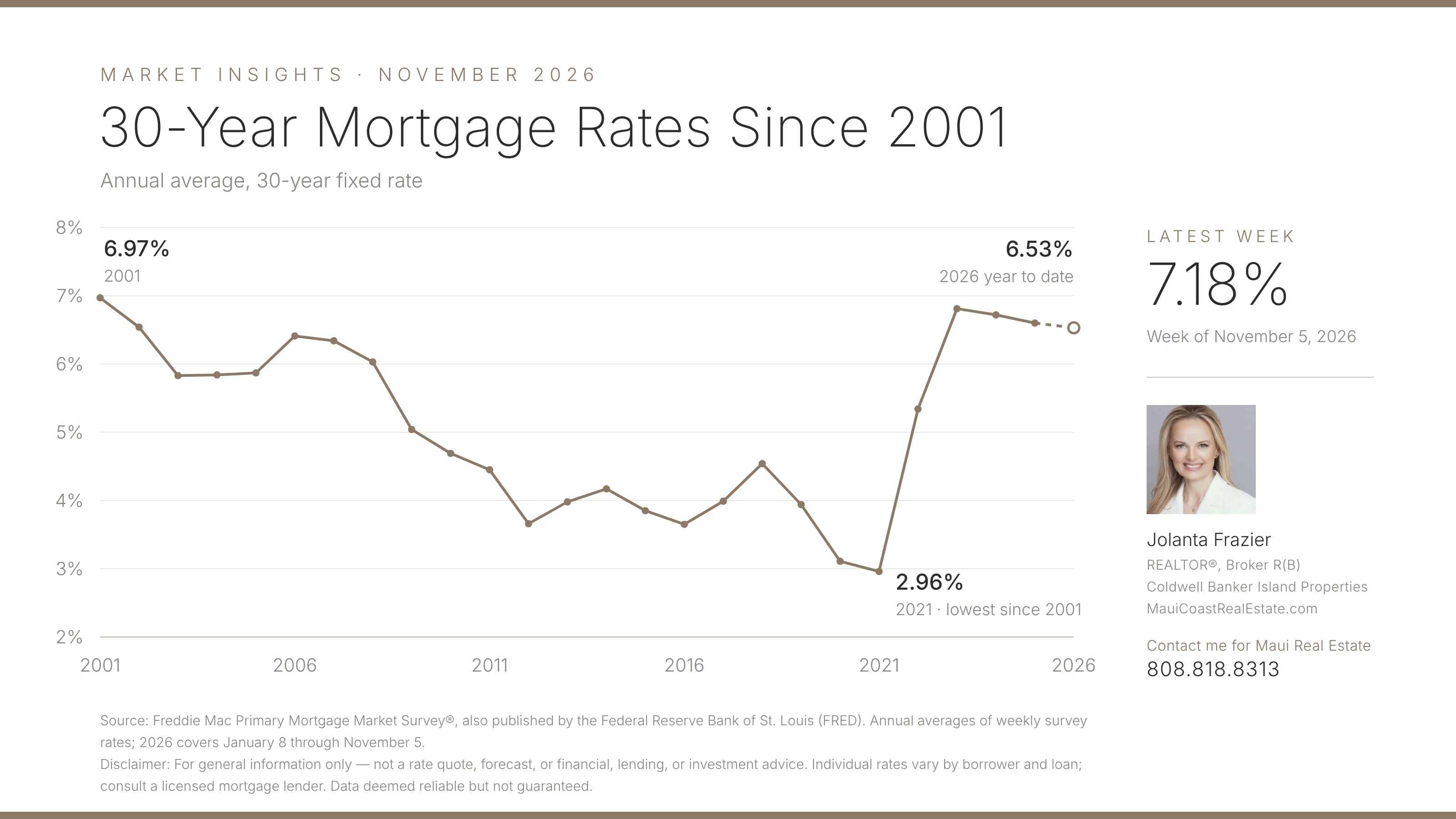
Not directly. The Fed sets an overnight rate. Thirty-year mortgages track longer-term Treasury yields, which respond to many forces at once.
The September minutes show this. Between the July and September meetings, Treasury yields from 2 to 10 years rose about 35 basis points. The minutes cite stronger data and a higher expected Fed path, with market commentary adding geopolitics and heavy borrowing for AI infrastructure. Mortgage rates rose slightly more than the 10-year yield.
A few officials named housing as a sector where financial conditions did not appear supportive. For current rates, a licensed mortgage lender is the right source.
What to Watch
Minutes of the October meeting are expected November 18, three weeks after the decision, following the Fed’s standard schedule. October inflation data from the Bureau of Economic Analysis follows on November 25. The December 8–9 meeting includes updated economic projections from Fed officials.
Jolanta’s Feedback
I follow the Fed for one reason. Its decisions shape the borrowing costs my clients live with.
October was a hold. The Committee said it wants more information, and two members wanted to act now. Both facts belong in the same picture.
A cash purchase and a financed one feel these decisions differently. I have watched rates rise and fall since 2001. People who understand their own numbers make the calmest decisions.
Sources: Federal Reserve Board (FOMC statement, October 28, 2026; FOMC minutes, September 15–16, 2026); U.S. Bureau of Economic Analysis (Personal Income and Outlays, September 2026). For general information only — not a forecast or financial, lending, or investment advice.
Check out this article next